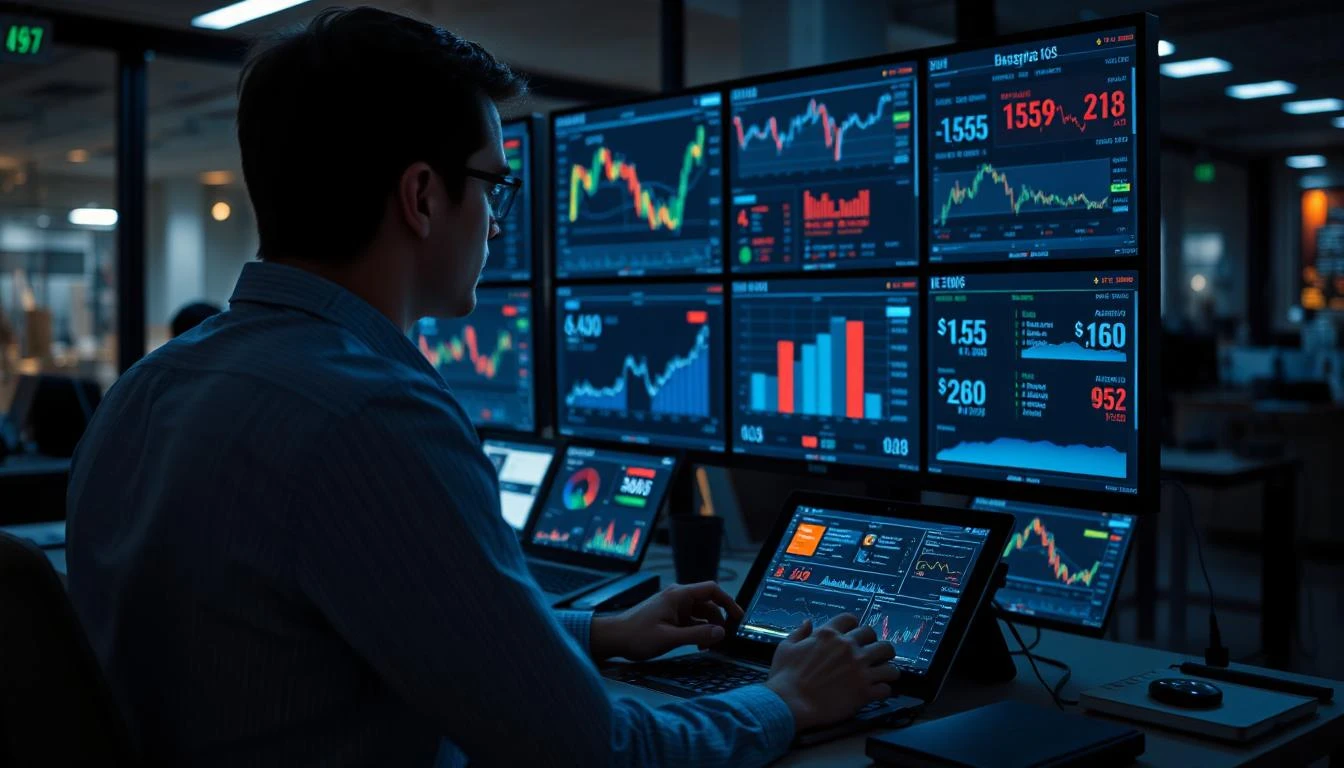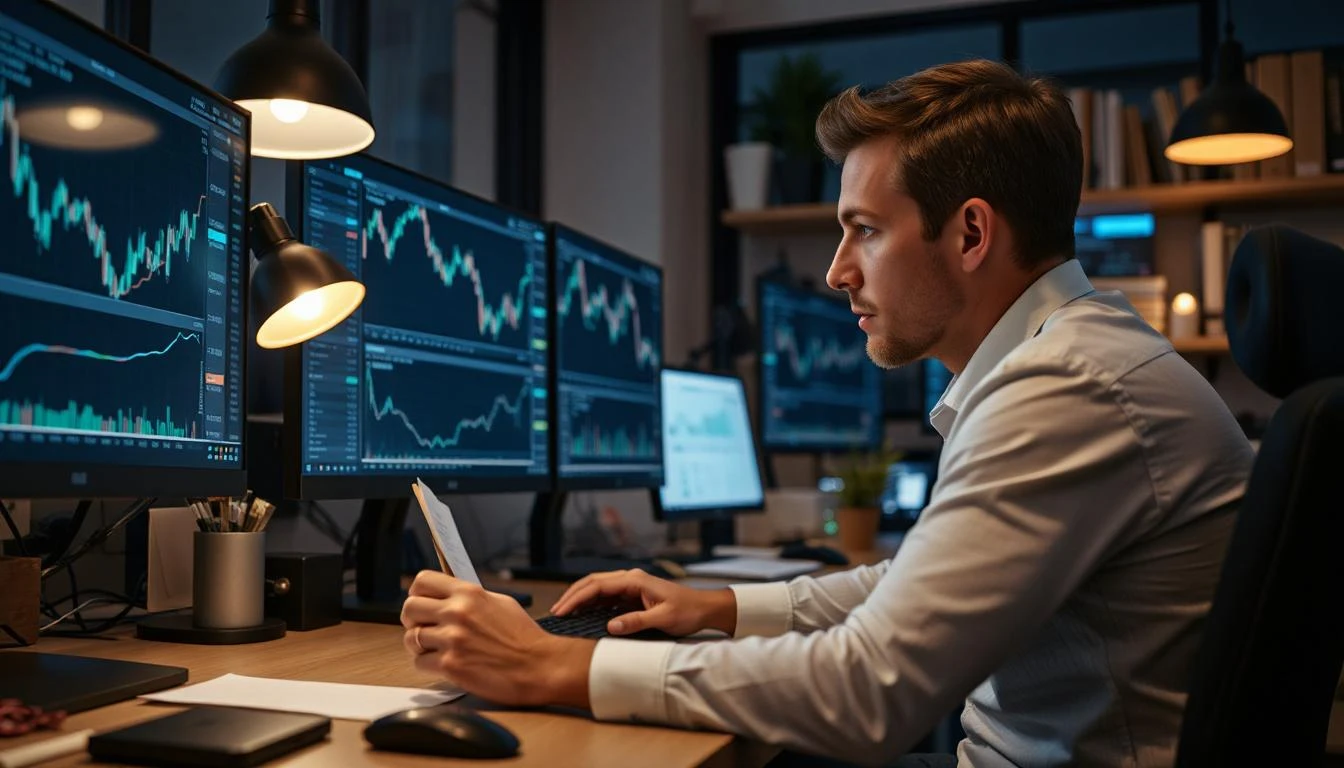
Forex Trends Reshaping Global Trading

Currency markets are moving through one of the most transformative periods in modern financial history. What once depended heavily on institutional timing and long economic cycles now reacts within moments to shifting sentiment, policy announcements, technological acceleration, and global capital behavior. Traders, investors, and businesses are no longer simply observing exchange rates. They are navigating an environment where adaptation increasingly determines outcomes.
Understanding global forex movement insights has become essential because the market is no longer shaped by isolated events. Currencies now respond to interconnected forces across regions, industries, and investor psychology. As access expands and information travels instantly, a new layer of opportunity appears for those willing to see beyond traditional trading patterns and understand what is quietly reshaping global trading behavior.
Why Forex Markets Are Evolving Faster Than Before
The pace of change in forex markets is no longer gradual. New participation models, faster information cycles, and broader financial connectivity continue to compress reaction time across global markets. This transformation is also accelerating currency trading evolution, forcing traders to rethink how currencies are interpreted and traded.
Global economic shifts affecting currencies
Economic influence no longer stops at national borders. Inflation expectations, central bank positioning, international supply chain movement, and shifting investment flows increasingly overlap to influence exchange rates. This interconnected behavior explains why currency analysis now requires broader macro understanding rather than focusing only on local economic indicators. As economist Mohamed El-Erian has repeatedly emphasized, “markets today operate in an environment where global events transmit faster and with greater intensity than before, making adaptability more valuable than certainty.”
Increased retail participation
Retail traders have become a meaningful force in forex activity. Lower barriers to entry, educational accessibility, and mobile platforms have opened participation to individuals across different regions and age groups. This growth creates a more dynamic environment where market reactions increasingly reflect collective behavior alongside institutional decisions.
Technology changing execution speed
Execution quality has become part of competitive advantage. Advanced trading platforms, improved infrastructure, and faster market data processing have changed expectations across the industry. Timing now influences results as much as directional accuracy. Technology has also shortened decision cycles. Traders increasingly evaluate opportunities in real time while balancing analysis with execution discipline.
Emerging Trends Influencing Currency Trading
Forex markets continue to evolve beyond traditional chart reading. New habits and analytical approaches are creating different ways to understand movement, manage exposure, and identify opportunities before they become obvious.
Growth of mobile trading behavior
Trading behavior increasingly begins on mobile devices. Participants now monitor positions, evaluate news, and execute decisions through tools designed for constant accessibility. This shift has changed market responsiveness and created environments where information reaches participants almost instantly.
Automated decision support tools
Decision support systems are becoming part of everyday trading workflows. These tools organize information, identify patterns, and reduce repetitive analysis tasks. Rather than replacing judgment, they support faster and more structured decision-making. The growing use of algorithm-assisted analysis, sentiment evaluation, and predictive monitoring reflects a broader movement toward smarter participation rather than simply faster participation.
Cross market analysis adoption
Currencies rarely move alone anymore. This approach recognizes that currencies often reflect broader financial expectations rather than isolated economic announcements. According to investor and author Ray Dalio, “understanding markets means understanding relationships between systems rather than treating each asset as independent.” That perspective increasingly reflects how modern forex participants interpret opportunity.
How Traders Respond To Global Forex Changes
Market change creates pressure, but it also creates opportunity. The traders who remain effective are often not the ones predicting perfectly, but the ones adjusting consistently while maintaining structure.
Adjusting strategies to volatility
Volatility has become a condition to work with rather than avoid. Flexible execution, scenario planning, and shorter review cycles allow traders to remain responsive without abandoning consistency. The strongest strategies today often focus less on forecasting exact outcomes and more on preparing for multiple possibilities.
Managing exposure across regions
Regional exposure now matters more than ever. Market participants increasingly evaluate how events in one economy influence conditions elsewhere. Diversification across currency environments helps reduce concentration and improves resilience during periods of uncertainty. This broader perspective allows traders to recognize opportunities that isolated analysis may overlook.
Strengthening disciplined execution
Discipline continues to separate sustainable performance from short-term excitement. Clear frameworks, measured risk decisions, and consistent review processes remain valuable even as markets become more complex. More information does not automatically create better decisions. Structured execution still matters.
Take Advantage Of The New Forex Landscape
Every major shift in markets creates a moment where old assumptions stop working and new advantages begin forming. Forex today is entering that moment. The question is no longer whether the market is changing. The better question is whether your approach changes with it. Markets reward participants who stay curious, remain adaptable, and continue refining how they interpret movement across a connected world. If these trends reveal something new about how you view trading, keep exploring deeper because the next opportunity rarely announces itself before it arrives.